Green Mountain Magic: Uncanny Realism in Vermont
June-November 2025
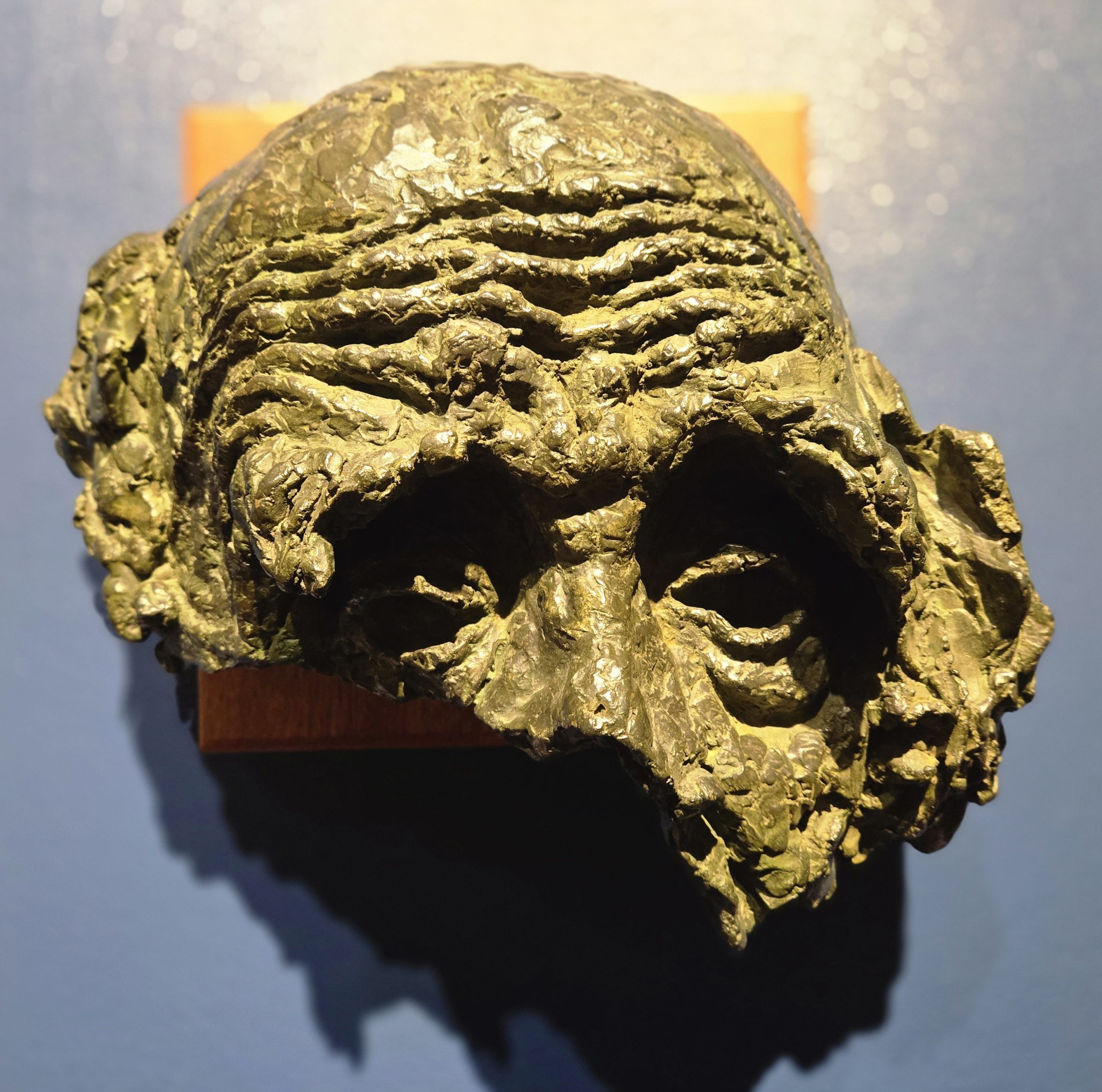
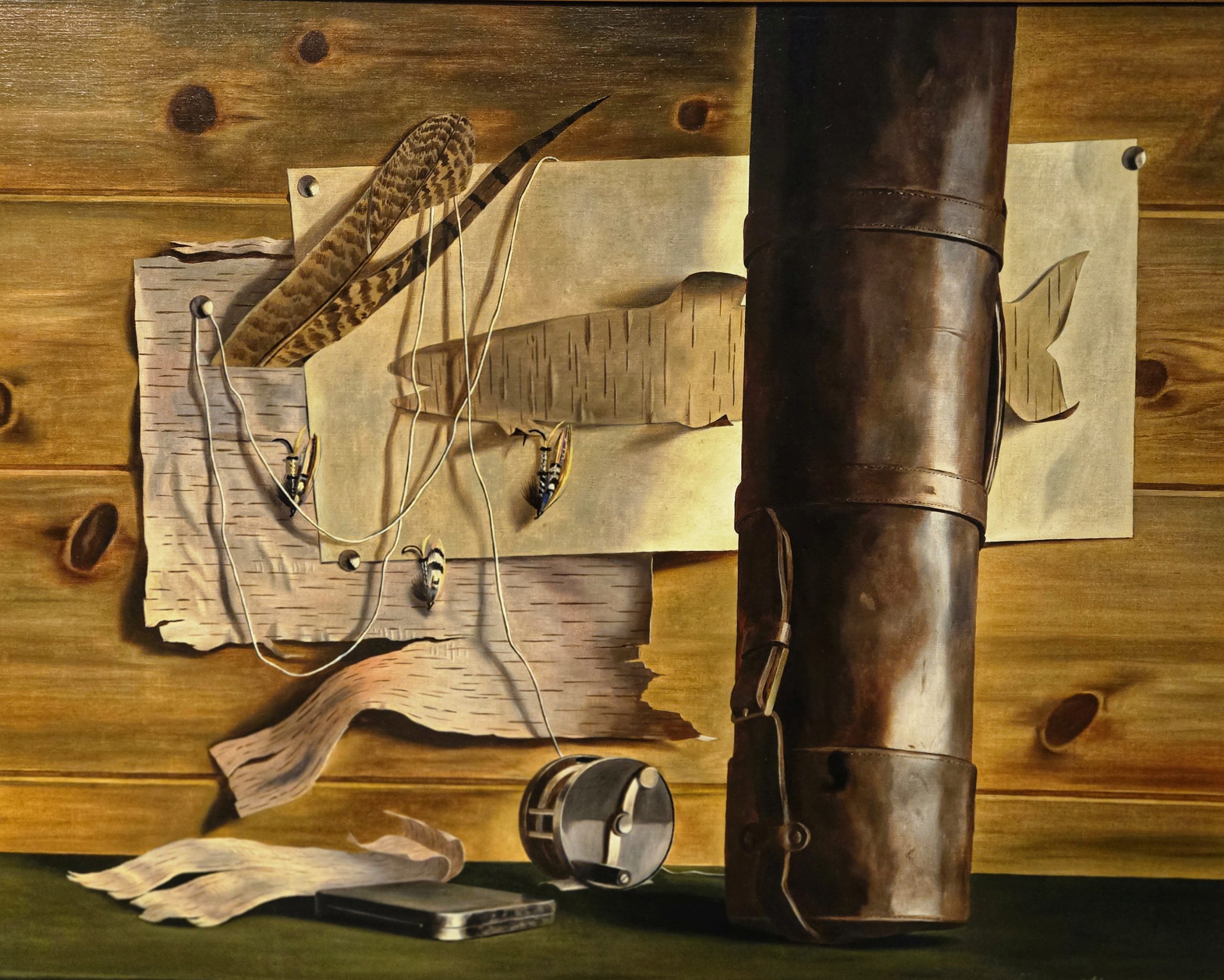
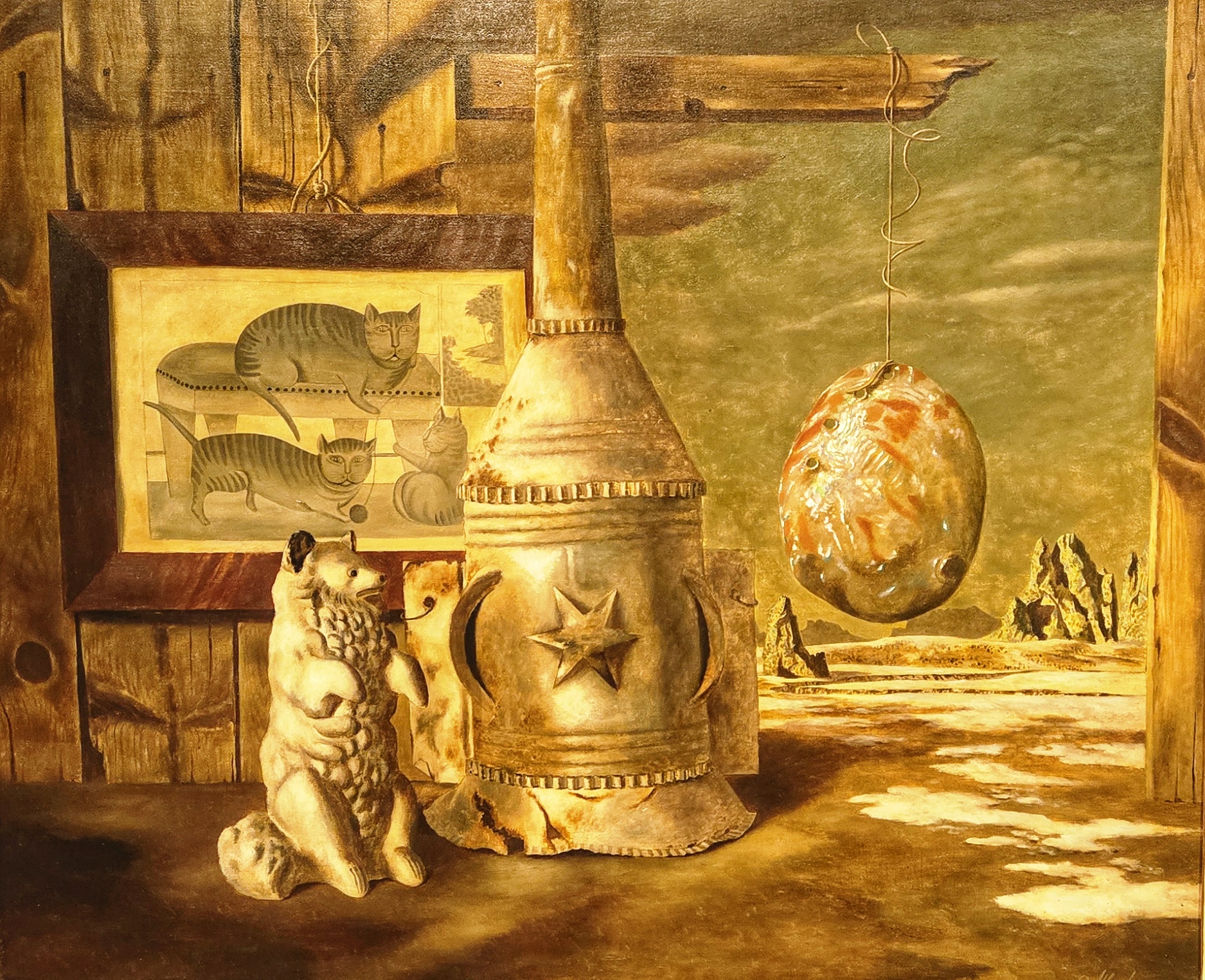
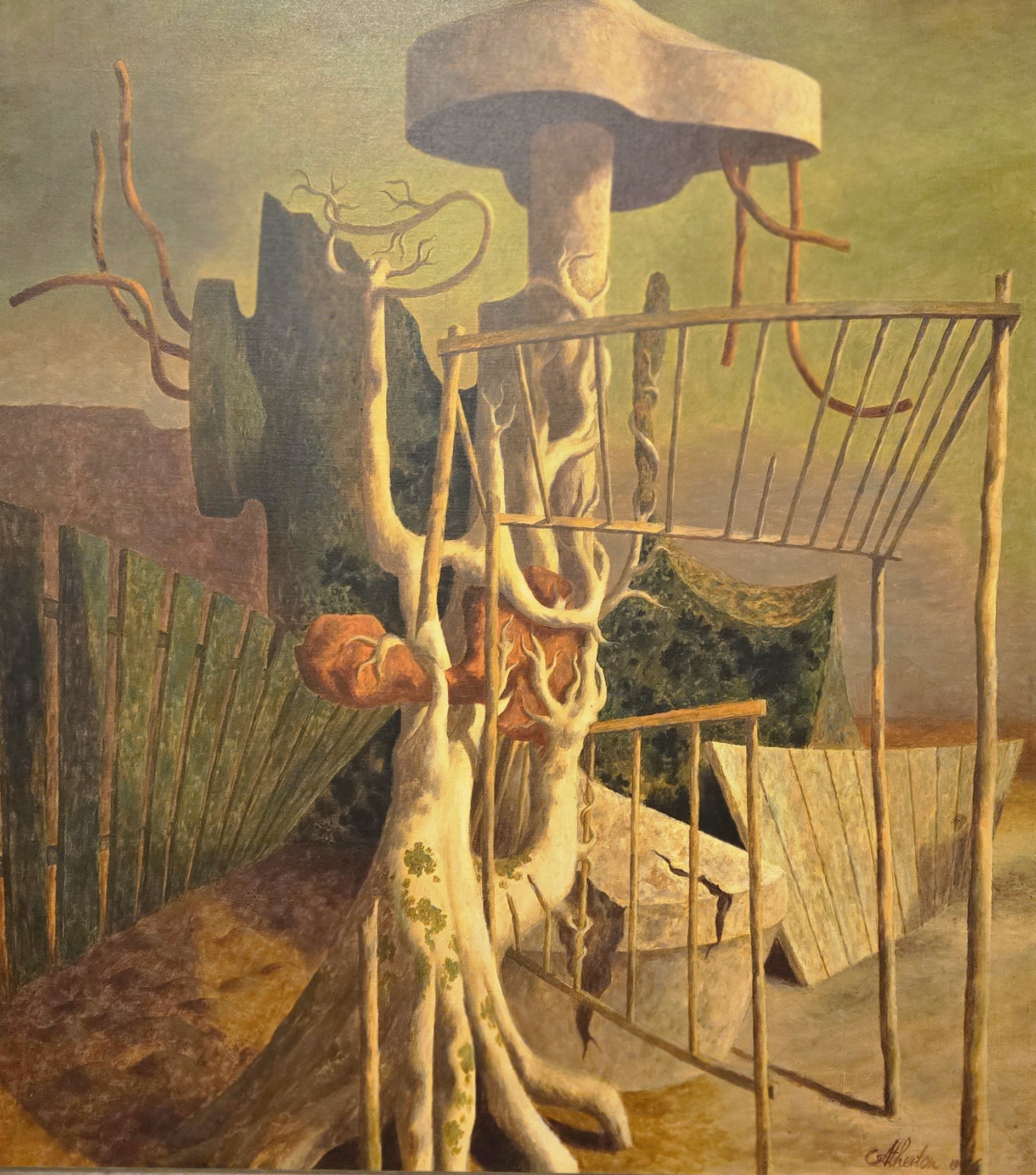
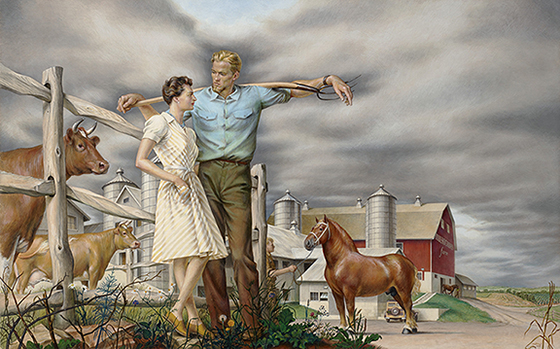
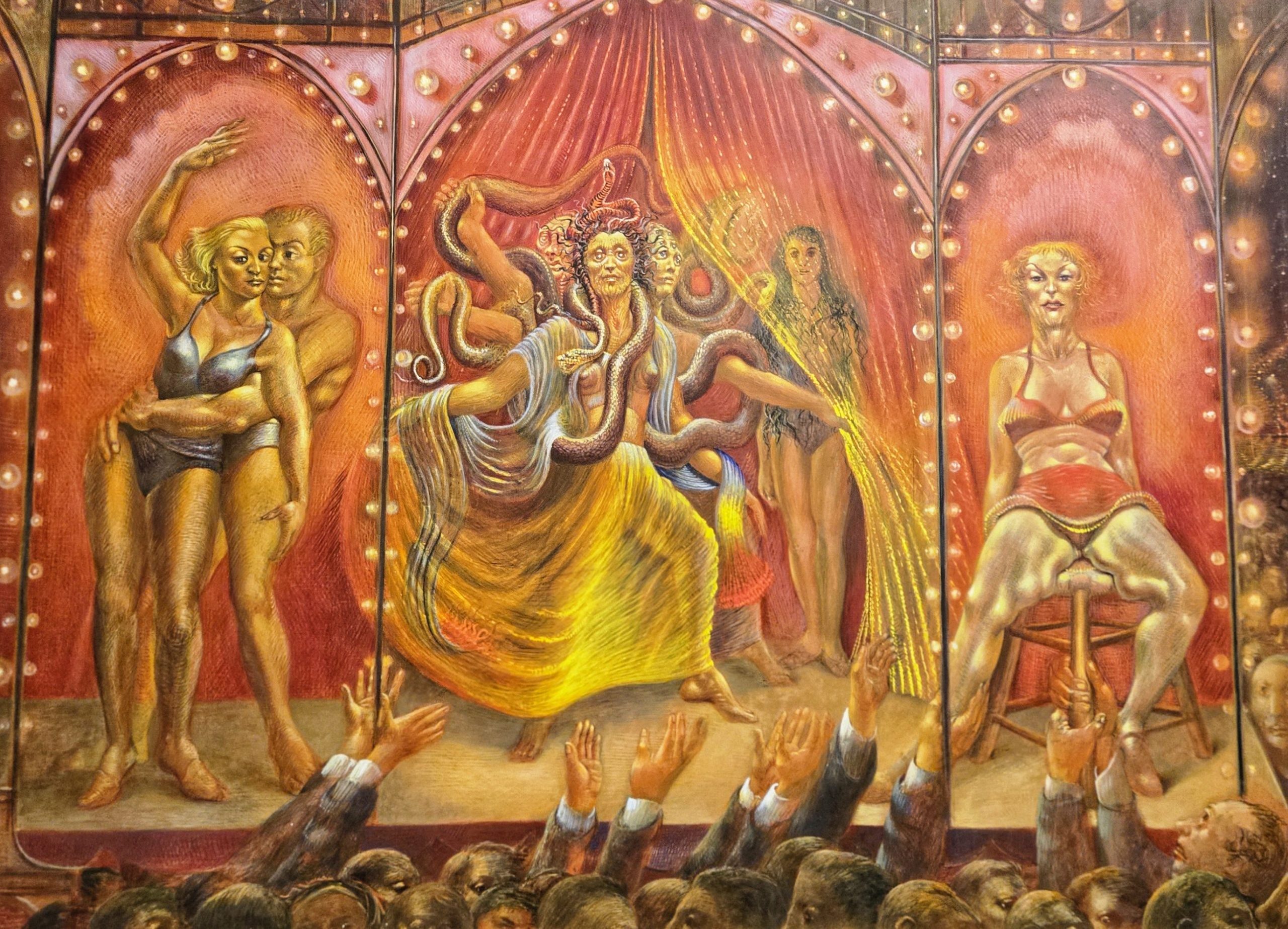
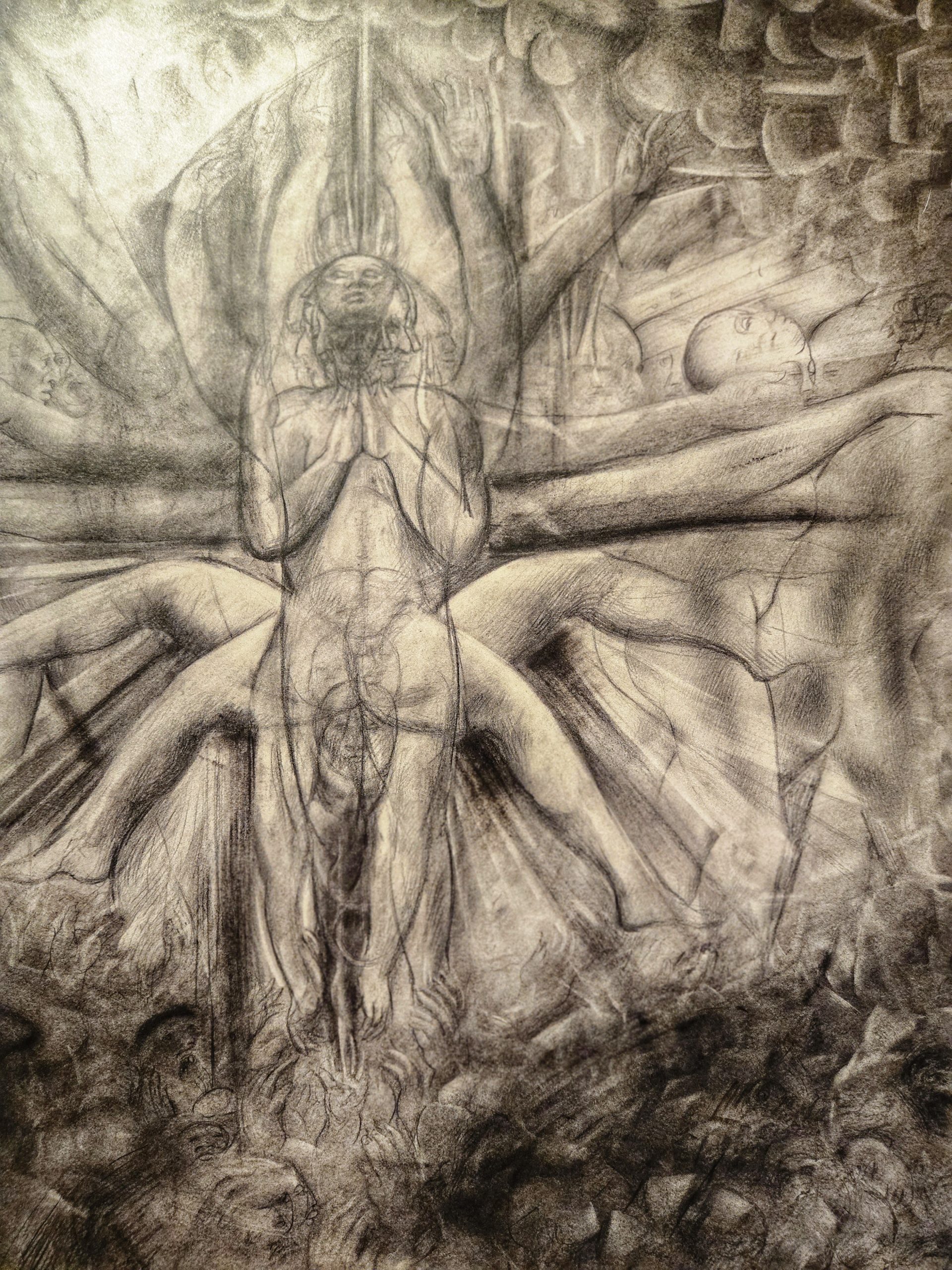
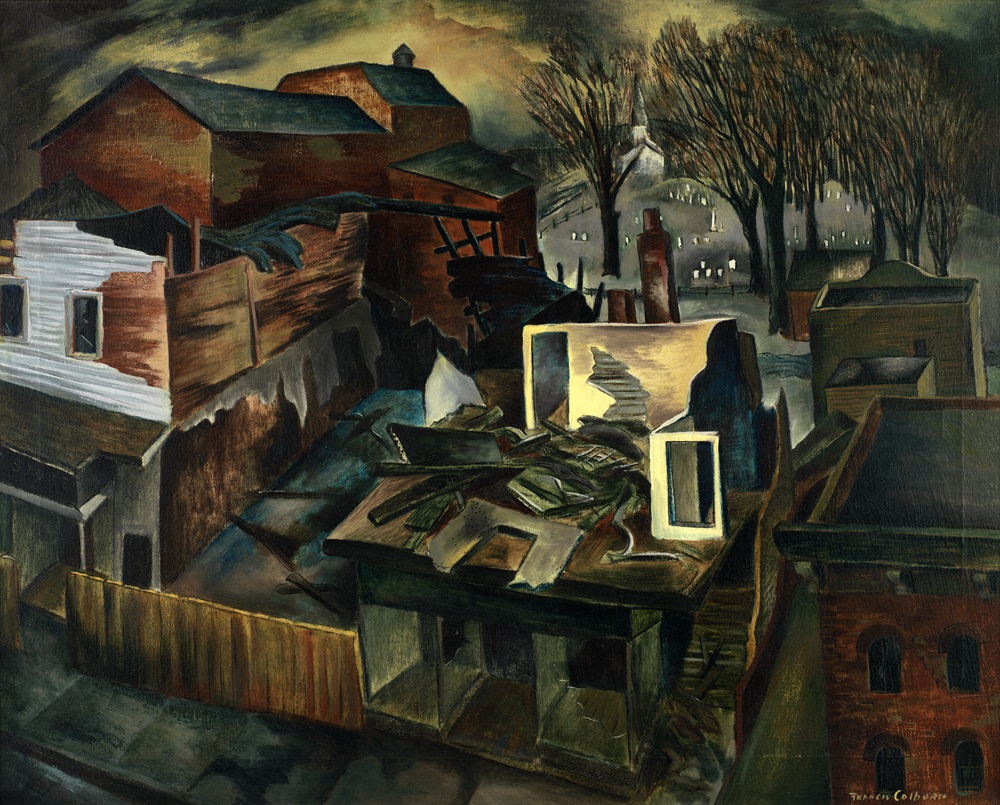
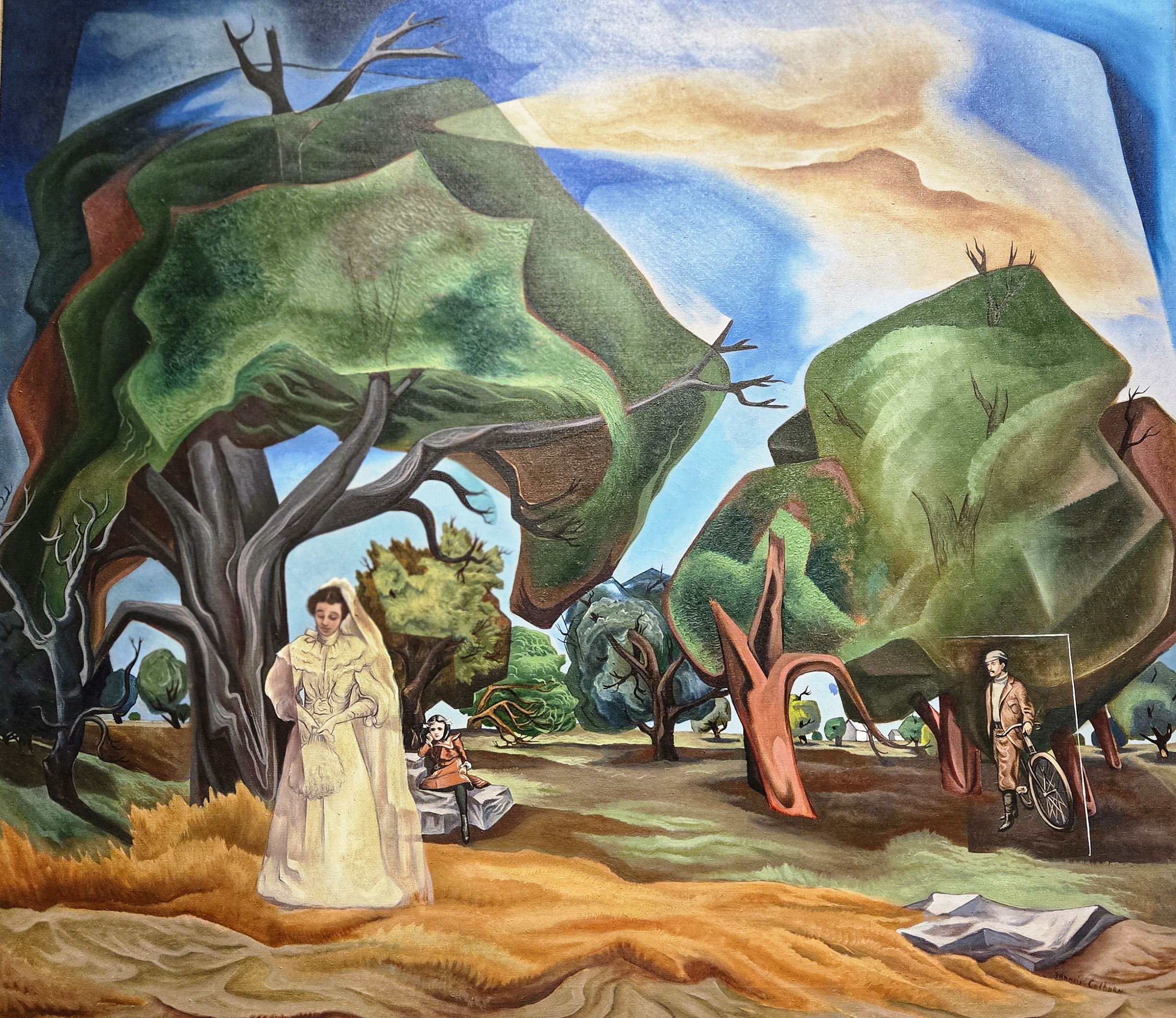
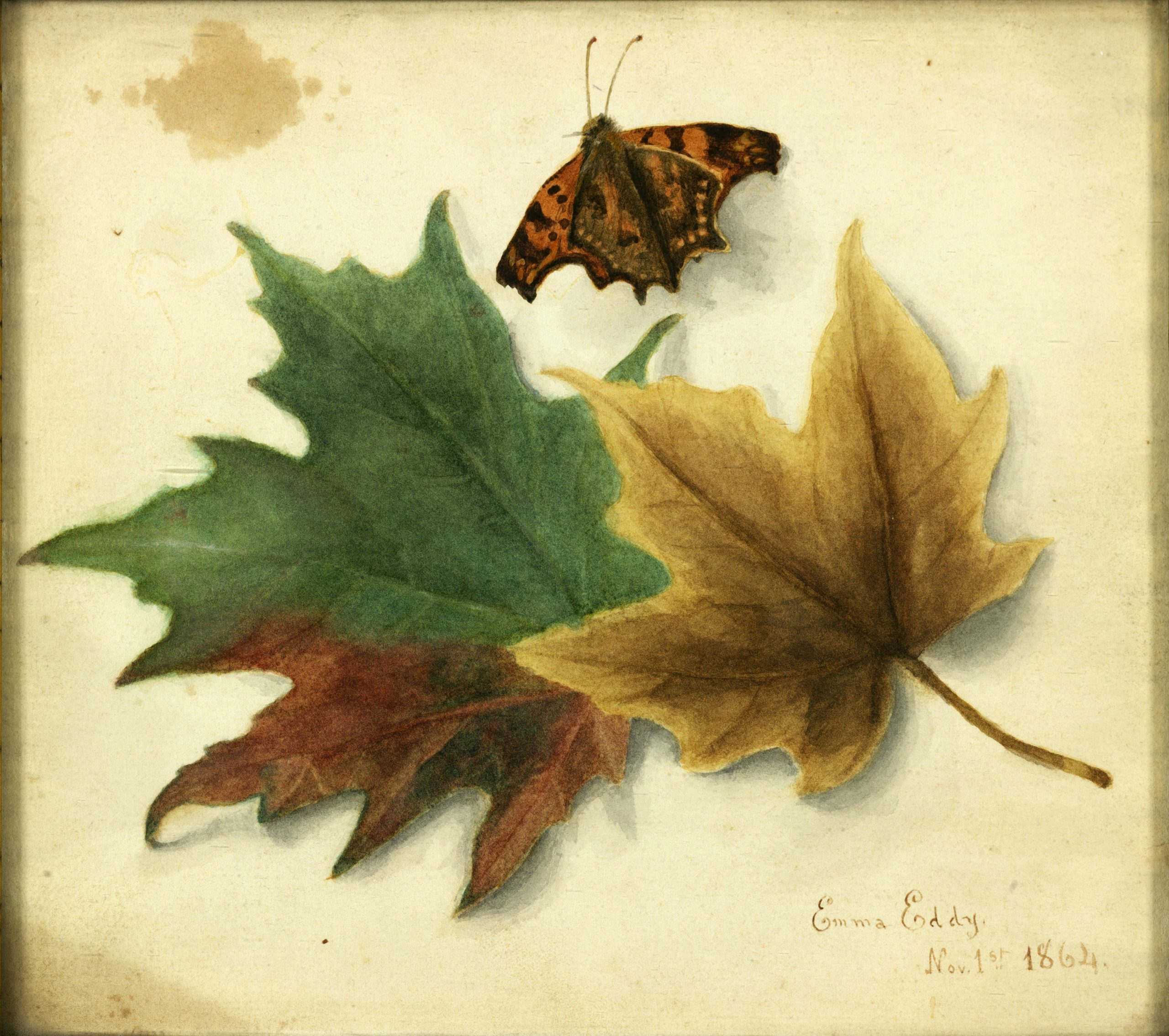
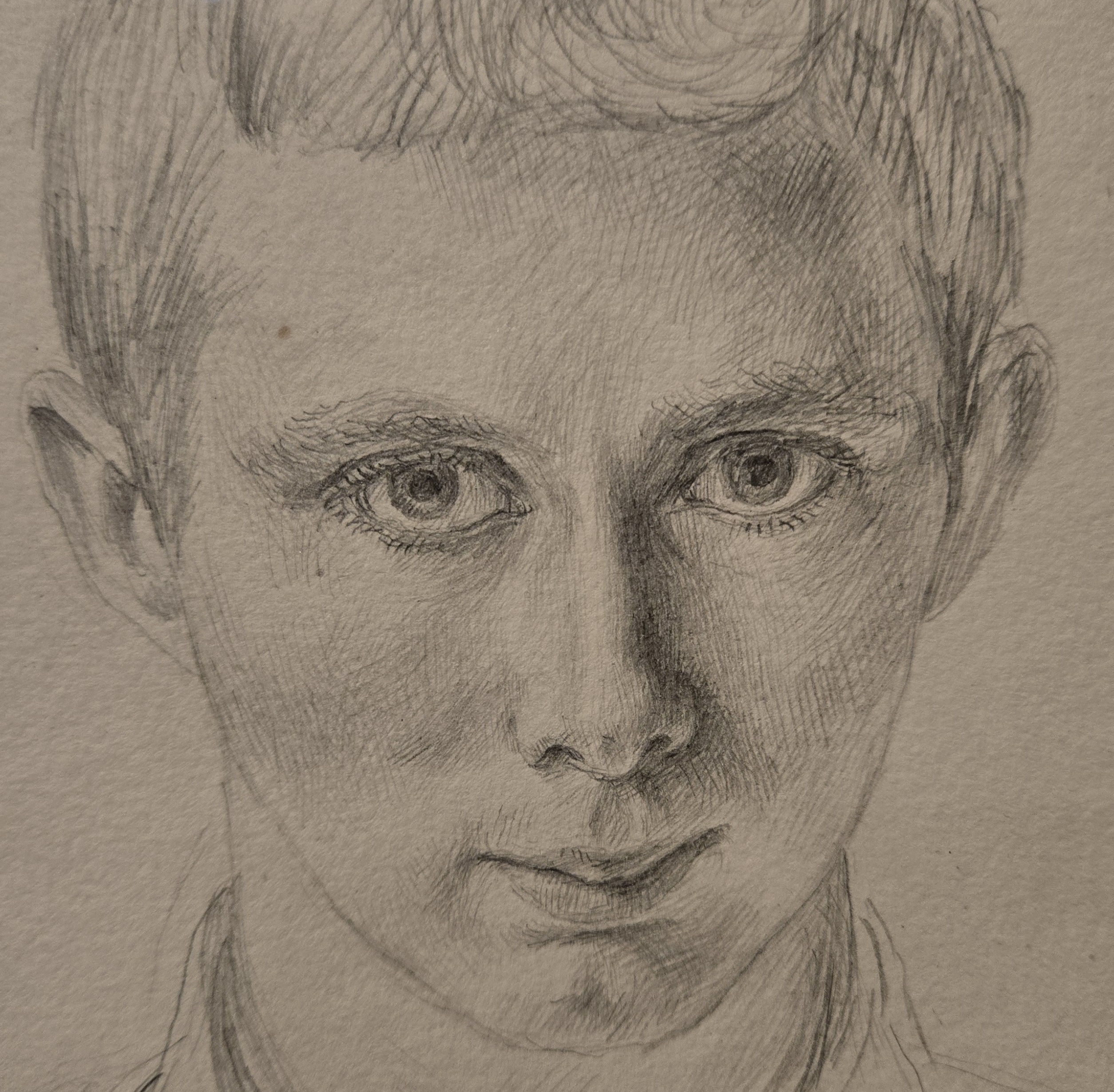
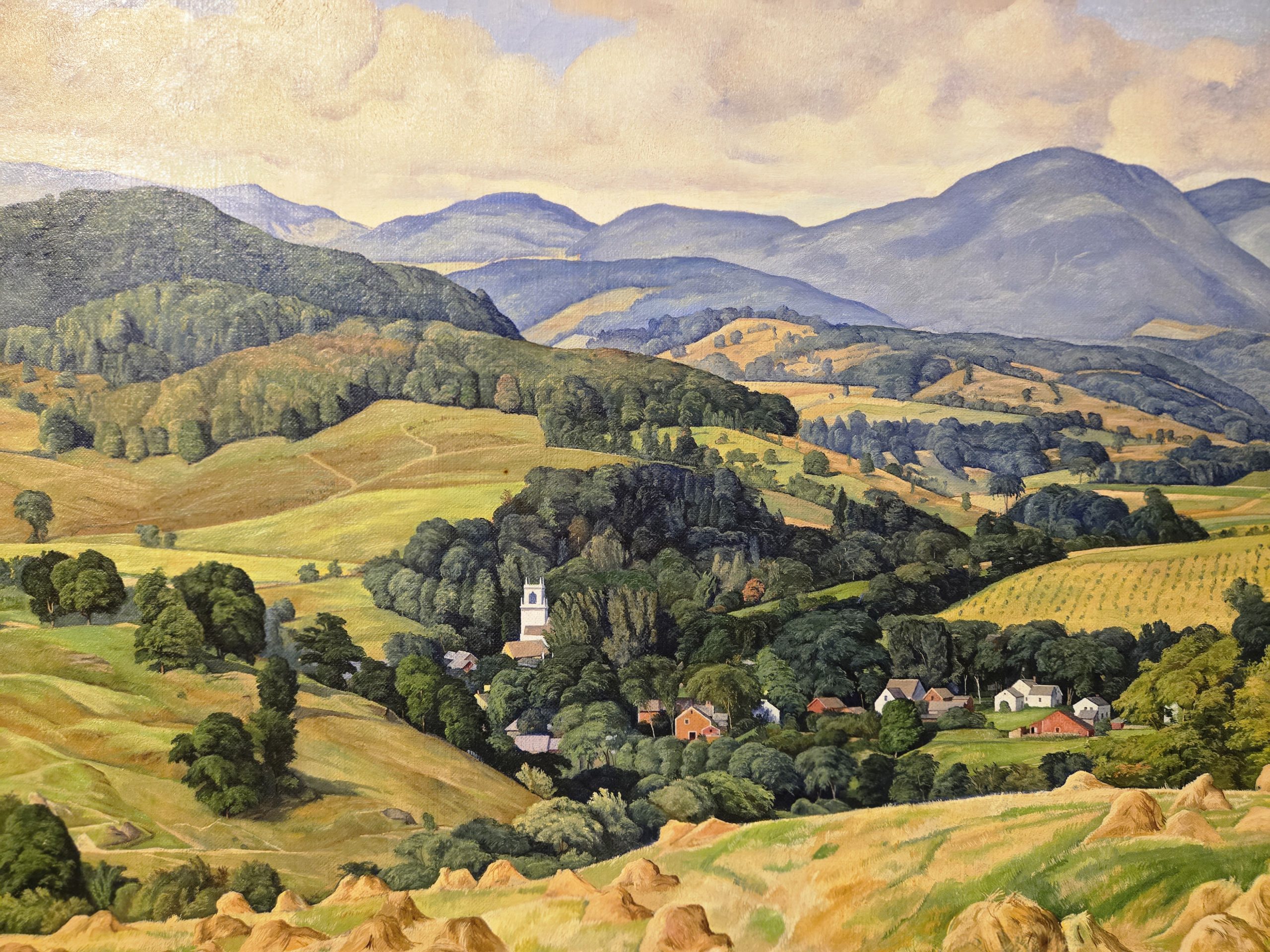
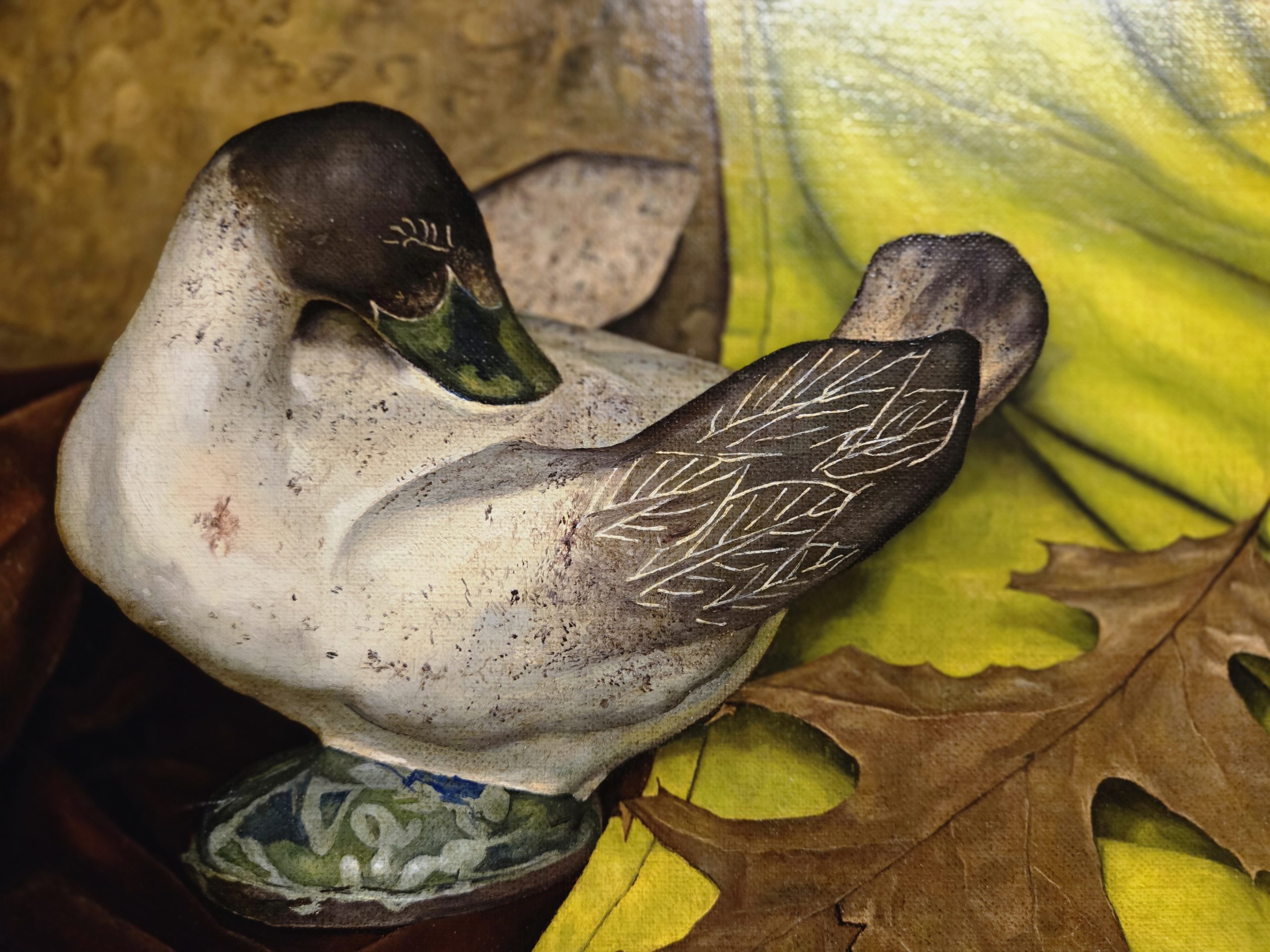
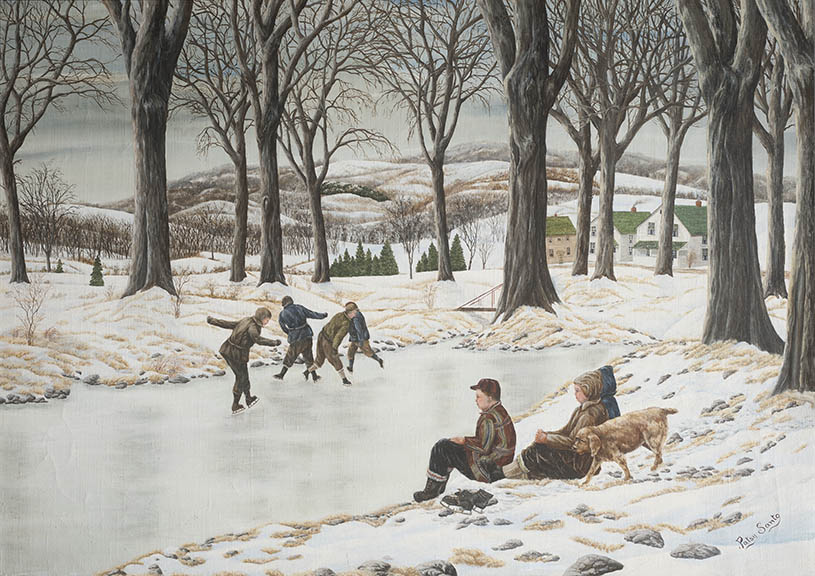
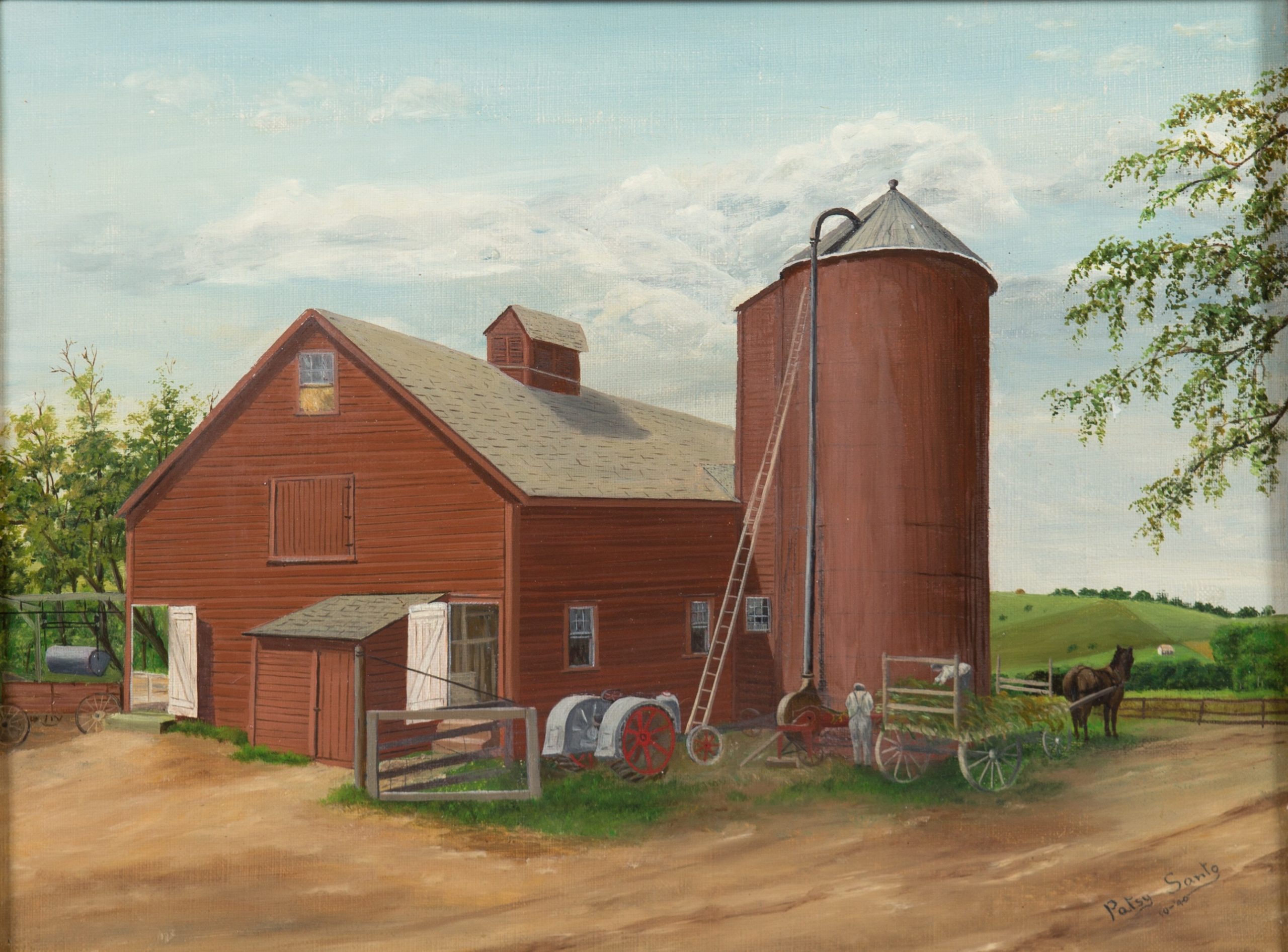
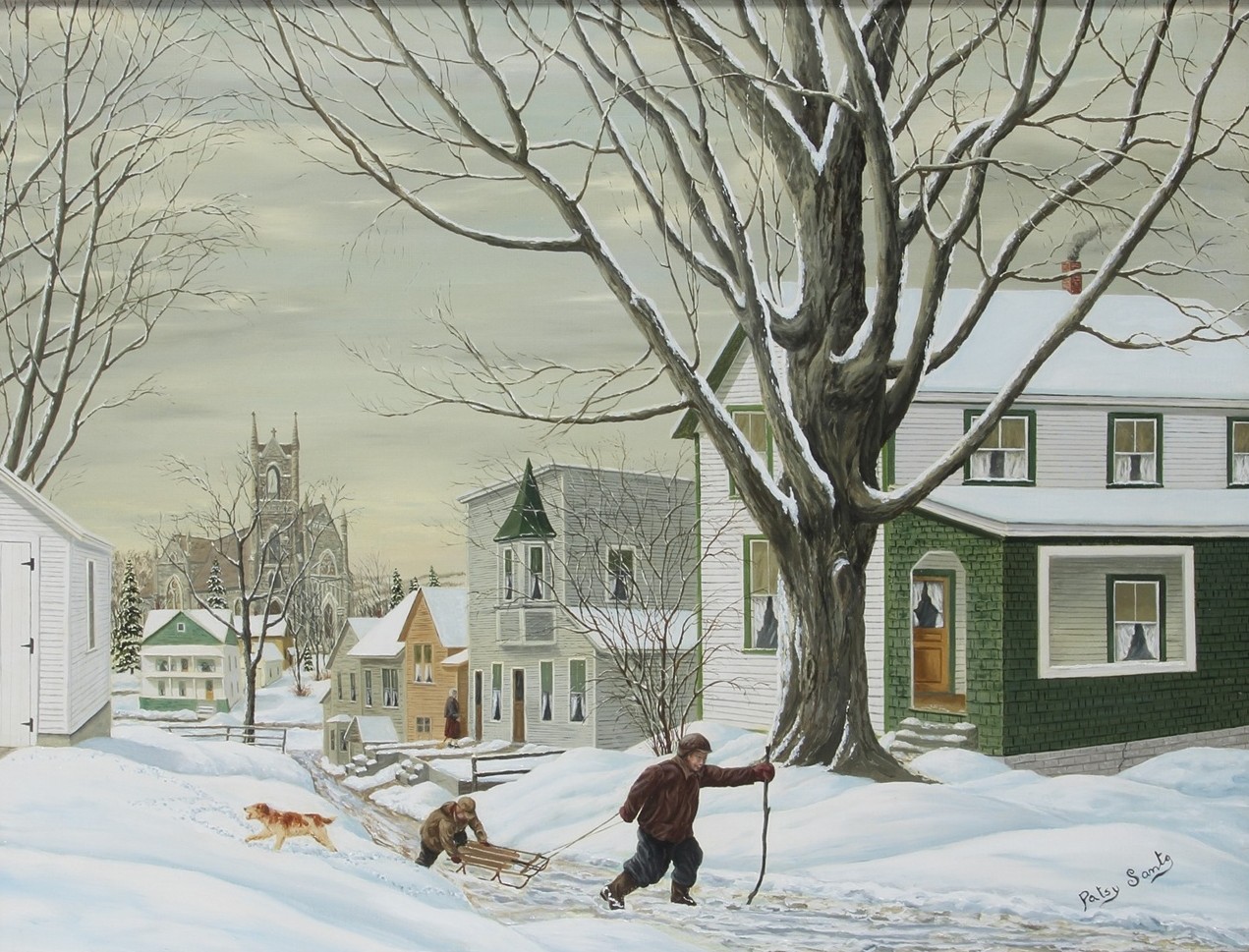
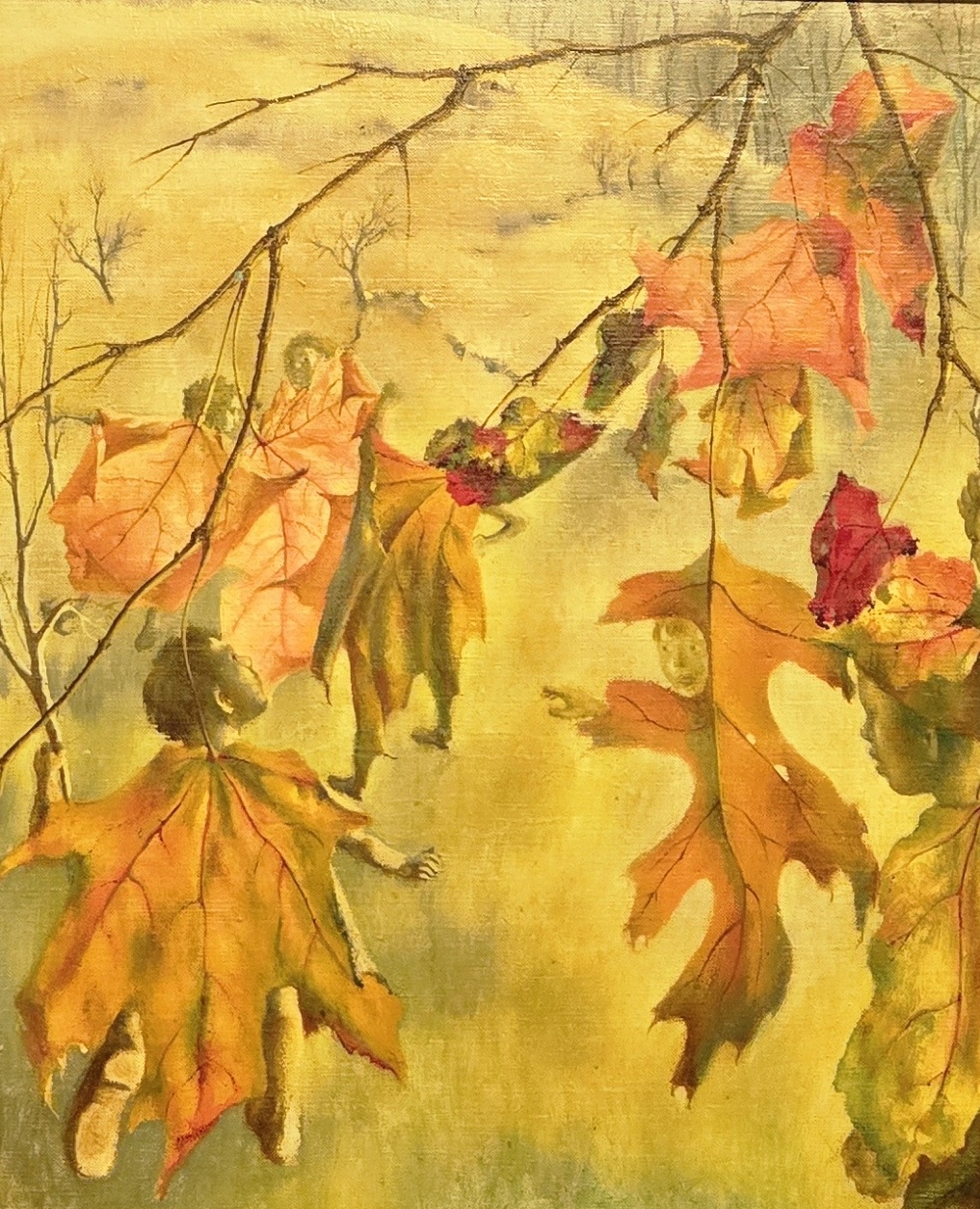
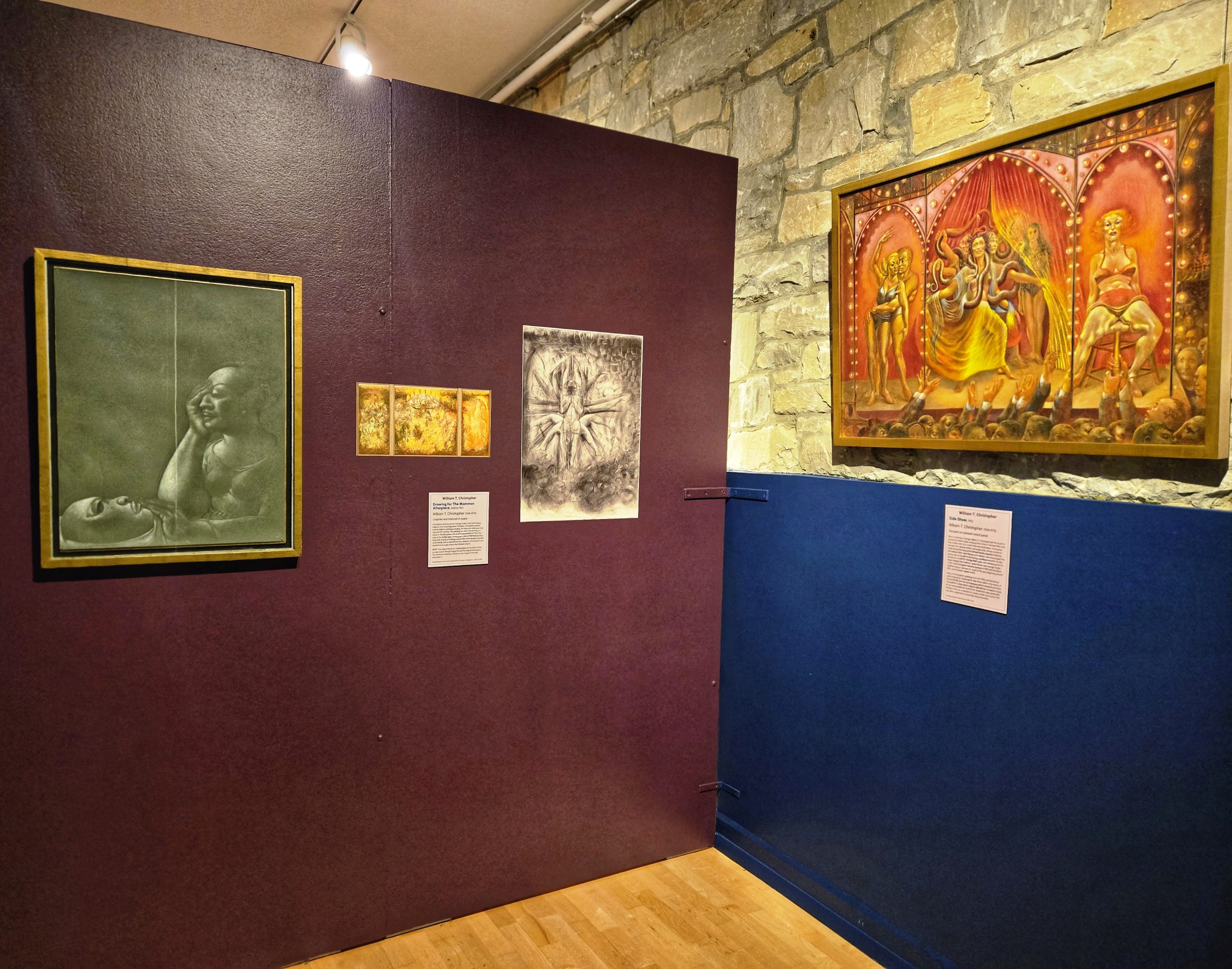 Alfred H. Barr, who curated the 1943 Museum of Modern Art exhibition, Realism and Magic Realism, defined Magic Realism as “the work of painters who by means of an exact realistic technique try to make plausible and convincing their improbable, dreamlike or fantastic visions.” Six of the artists represented in that exhibition -Ivan Albright, John Atherton, Paul Cadmus, Jared French, Vanessa Helder, and Patsy Santo – nearly a quarter of the contemporary artists featured – had or would go on to have strong ties to the state of Vermont. A handful of others, notably a circle of artists including George Tooker, Jared French, Pavel Tchelitchew, Luigi Lucioni, William Christopher, and John Semple, who could also be considered Magic Realists, forged deep ties to the Green Mountain state. In addition to visual artists, this exhibition will also feature the work of the author Shirley Jackson, a master of gothic fiction, whose writing is suffused with the uncanny.
This exhibition will explore Magic Realism as it was practiced in Vermont during the mid-to-late 20th century, through the work of these artists and others, who had a taste for the fantastic and painted or wrote with a brand of realism that could make the seemingly mundane uncanny or the uncanny mundane. Unlike Surrealism, the works in this exhibition were rarely inspired by dreams or the subconscious. Rather, they are images of the real world ⎼ often mixed and matched, with skewed perspectives ⎼ that are so meticulously rendered that they seem to vibrate with a crystalline clarity that draws attention to the fantastic nature of things we might otherwise overlook.
What was it about Vermont that drew these artists and served as an inspiration for their improbable, dream-like visions? This exhibition, while exploring themes of mortality and metamorphosis, isolation and human relationships, covert activism, and the power of fantastical world building for those othered by mainstream society, seeks to answer that question and ask many more.
Curator, Jamie Franklin dives deeper, “Take, for instance, Patsy Santo’s Spring, from 1940, which was exhibited in MoMA’s 1943 exhibition,” he begins. “This painting depicts a scene with which the artist was intimately familiar: a view of his backyard off of Dewey Street in downtown Bennington. You can get lost in the seemingly hypnotic details: the rickety wooden footbridge, with every knot and swirl of wood grain captured; the siding on the wood shed, each board carefully painted in mottled shades of brown and grey; the laundry floating ambiguously high on a line, seen through the wiry branches of a tree, each new leaf indicated with minute dabs of vibrant chartreuse paint; every shrub and weed seems to be accounted for; the chickens pecking away in the grass, which is delineated down to the individual blades. With his crisp depiction of details, Santo creates a scene drawn from his daily experience with an energy that elevates the mundane to the sublime.”
Selected images below…